Yugcharan News / 21-09-2026
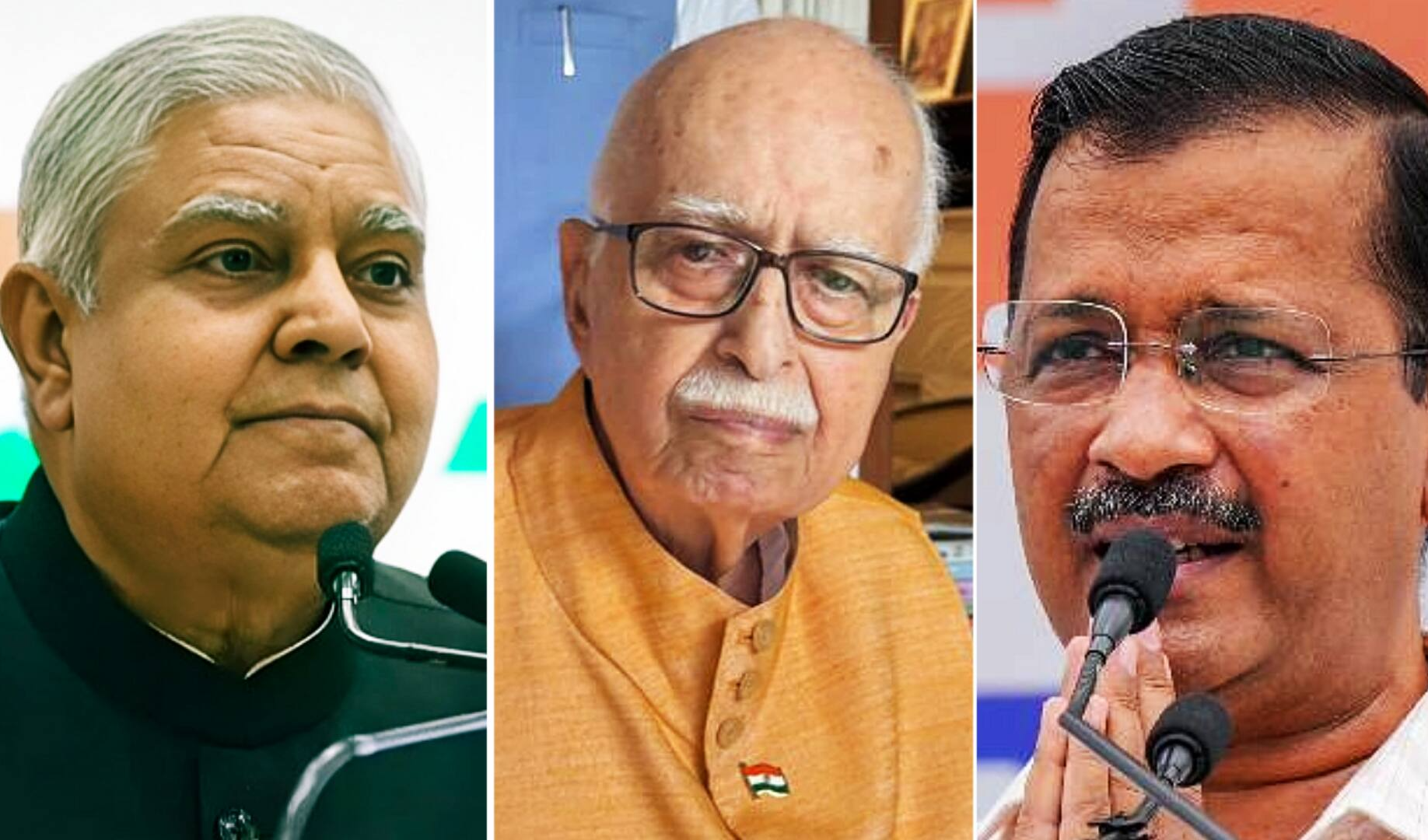
NEW DELHI: The ongoing Special Intensive Revision (SIR) of electoral rolls in Delhi has brought several prominent names under scrutiny after discrepancies were identified in the draft electoral roll. The list of electors for whom notices have been generated includes External Affairs Minister S. Jaishankar, veteran Bharatiya Janata Party leader L.K. Advani, Election Commissioner Sukhbir Singh Sandhu, former Delhi Deputy Chief Minister Manish Sisodia and several other well-known public figures.
The list has also included economist and Padma awardee Bibek Debroy, who died in November 2024. His name appeared in Delhi’s draft electoral roll and was flagged under the “no mapping” category, meaning his record could not be mapped to the previous SIR electoral roll through the verification process.
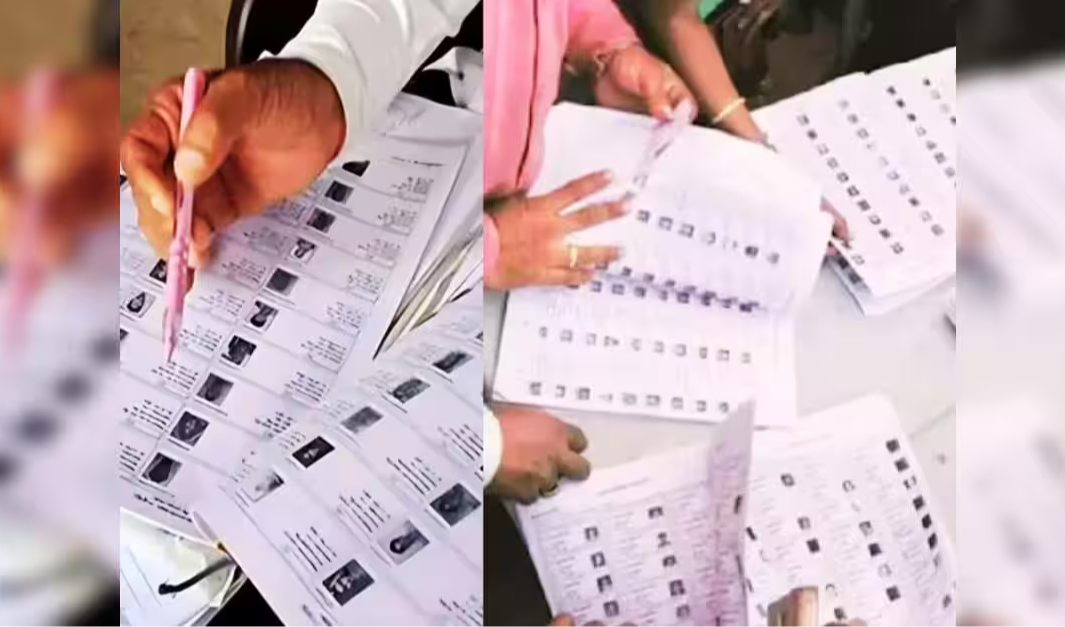
The Election Commission’s exercise is aimed at checking and updating electoral records. Notices in such cases are intended to verify the eligibility and details of electors rather than constitute a finding of wrongdoing.
The Election Commission has been carrying out the SIR exercise across states and Union Territories as part of its electoral-roll revision process. The Commission has said that the exercise involves Booth Level Officers, political-party representatives and other stakeholders, with the objective of ensuring that eligible voters remain on the rolls while inaccurate or duplicate entries are identified.
Bibek Debroy’s Name Appears in Draft Roll
Debroy’s inclusion has drawn particular attention because he passed away in November 2024. He had served as chairman of the Prime Minister’s Economic Advisory Council and was a prominent economist and public policy expert.
According to the details reported from the Delhi draft electoral roll, Debroy was listed as a 70-year-old elector in the Delhi Cantonment Assembly constituency, despite having died at the age of 69.
His name was subsequently included among the electors against whom notices were generated because his record was classified as “unmapped with the previous SIR roll”.
The development has raised questions about the mechanisms through which electoral records are updated following the death of an elector. The Election Commission’s revision process includes verification and correction stages, during which such discrepancies can be examined and appropriate changes made.
The SIR guidelines provide for verification of electoral records and require the submission or examination of relevant documents in cases where an elector’s eligibility or previous electoral-roll linkage cannot be established.
Sukhbir Singh Sandhu’s Record Flagged for Name Mismatch
Election Commissioner Sukhbir Singh Sandhu was another prominent name flagged during the revision exercise.
Sandhu, whose name appears in the Delhi Cantonment constituency, was marked for a “self-name mismatch”. The category refers to a discrepancy between the elector’s name recorded during the current SIR process and the name appearing in the previous electoral roll.
However, the electoral registration officer of the constituency subsequently stated that Sandhu’s name had been validated for inclusion in the final electoral roll after the relevant documents, facts and details were verified.
The case illustrates that being included in the notice list does not automatically mean that an elector will be removed from the electoral roll. Verification can result in a record being confirmed and retained.
Two former Chief Election Commissioners, Sushil Chandra and Arun Goel, have also been identified in the notice list. Chandra and his wife, Neelu Chandra, were flagged under the “no mapping with previous SIR” category, while Goel was similarly identified.
Jaishankar, Advani and Vikram Misri Also Flagged
External Affairs Minister S. Jaishankar and his wife, Kyoko Somekawa Jaishankar, were among those whose names were flagged for “no mapping” with the previous SIR roll.
Former BJP IT cell head Amit Malviya was also identified under the same category. His wife, Gauri Malviya, was flagged for a “self-name mismatch”.
The list also contains the names of veteran BJP leader L.K. Advani, his daughter Pratibha Advani and daughter-in-law Geetika Advani. Foreign Secretary Vikram Misri was also listed under the unmapped category.
The appearance of such prominent names in the notice list has added visibility to the broader questions surrounding the verification exercise in Delhi.
However, election officials have indicated that prominent personalities and public figures would not necessarily be required to appear personally at hearing centres. According to an official cited in the report, Election Registration Officers can identify such cases and instruct Booth Level Officers to visit registered addresses for verification.
Manish Sisodia’s Name Also Appears
Former Delhi Deputy Chief Minister Manish Sisodia and members of his family have also been included in the list.
The report states that no specific reason was mentioned against Sisodia’s name in the notice list. For his wife, Seema Sisodia, the stated discrepancy was “self-name mismatch”, while “parent name mismatch” was cited in the case of their son, Meer Sisodia.
Congress MP and senior advocate Abhishek Manu Singhvi was also included in the list. In his case, the column indicating the reason for the notice was left blank.
The presence of blank entries has emerged as another feature of the list. An analysis cited in the report found that there were at least 63,000 entries where no reason was recorded in the relevant column.
Other Public Figures in the Notice List
Several other prominent personalities have also been flagged during the SIR process.
In the Jangpura Assembly constituency, sociologist and social psychologist Ashis Nandy, senior advocates Indira Jaising and Anand Grover, and political communications consultant Dilip Cherian were identified under the “unmapped with Last SIR” category.
Journalist Sheela Bhatt was flagged for a “self-name mismatch”, while senior advocate Huzefa Ahmadi was identified under the no-mapping category.
In the Kalkaji constituency, economist Deepak Nayyar was flagged for a “parent name mismatch”.
The list also includes former Vice-President Jagdeep Dhankhar and his wife Sudesh Dhankhar, former Supreme Court judge Justice Madan B. Lokur, Delhi Minister Parvesh Sahib Singh, former Delhi BJP president Virendra Kumar Sachdeva, historian Romila Thapar and New Delhi MP Bansuri Swaraj.
SIR and the Scale of the Verification Exercise
The scale of the Delhi SIR has made the verification process significant for the capital’s electorate.
According to the report, Delhi’s draft electoral roll contains around 97.5 lakh electors. Of these, approximately 33.1 lakh have been flagged either because of logical discrepancies in their records or because their names could not be mapped to the previous SIR roll.
The Election Commission’s broader SIR framework provides for house-to-house verification by Booth Level Officers and involvement of political-party Booth Level Agents. The Commission has stated that SIR is intended to be a participative exercise involving electors, political parties and election officials.
The process is particularly important because electoral rolls form the basis for determining who can exercise the right to vote in an election. At the same time, discrepancies in individual records can arise for several reasons, including changes in names, family details, addresses and differences between current and previous electoral databases.
Complaints Over Missing and Incorrect Entries
The revision exercise has also triggered complaints from residents whose names were not found in the draft roll despite claims that they had submitted their enumeration forms.
There have been reports of electors being incorrectly classified as “dead” or “shifted”. According to the figures cited in the report, around 47.56 lakh voters had been placed in the ASDD category — referring to electors classified as absent, shifted, dead or duplicate.
Such classifications are part of the verification process, but affected electors can raise claims or objections in accordance with the procedures laid down by election authorities.
The Election Commission has previously emphasised the need to ensure that eligible voters are not excluded during SIR exercises. Its official material on the revision process says that electoral authorities use field verification and information from Booth Level Agents to identify errors and facilitate corrections.
Verification Deadline and Final Electoral Roll
The verification and disposal of cases identified through the Delhi SIR are scheduled to continue in the coming weeks.
As reported, the deadline for completing the verification and disposal of the flagged cases is October 29, while the final electoral roll is scheduled to be published on November 4.
Electors placed in the “no mapping” category are required to establish their eligibility by submitting documents from the list prescribed by the Election Commission.
The process therefore remains ongoing, and the appearance of a person’s name in the notice list should be understood in the context of verification rather than as a final determination about their eligibility to vote.
The inclusion of Bibek Debroy’s name, despite his death in 2024, has highlighted the importance of maintaining updated electoral databases. At the same time, cases involving serving constitutional functionaries, former officials, politicians, academics and other public figures demonstrate the range of records being examined during the current revision.
As the Election Commission works towards the November 4 publication of the final electoral roll, the claims, objections and verification process will determine how individual discrepancies are resolved and which names ultimately remain on the electoral register.