Yugcharan News / 19-09-2026
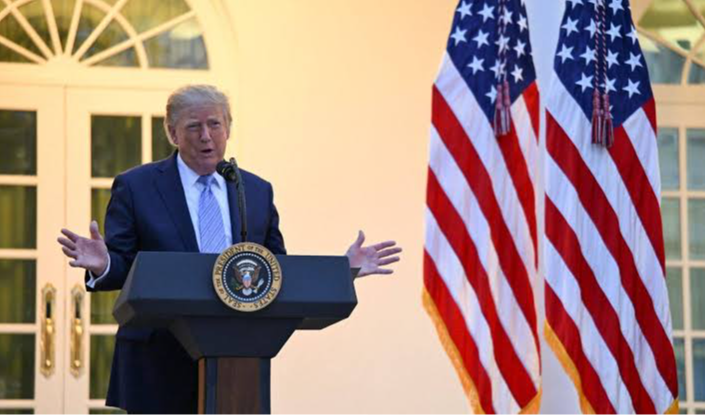
New Delhi: India could face higher trade pressure from the United States after President Donald Trump signed the Lindsey O. Graham Sanctioning Russia and Iran Act of 2026, a legislation that expands Washington’s ability to impose steep tariffs on countries continuing to purchase Russian energy. The law gives the US administration authority to impose tariffs of up to 100 per cent on certain major buyers of Russian oil and gas, including India.
The development marks a new stage in the ongoing debate over India’s purchases of Russian crude and comes at a time when New Delhi and Washington have been working to manage differences over trade, tariffs and broader economic relations.
The legislation had cleared the US Senate earlier and was subsequently approved by the House of Representatives before being signed into law by Trump on September 18. The final enactment means the tariff authority is now part of US law, although the legislation does not mean that a 100 per cent tariff has automatically been imposed on Indian exports.
Instead, the law provides the US President with additional powers to determine whether and how such tariffs should be applied. The actual impact on Indian exporters will depend on future decisions by the US administration, including the products targeted, tariff rates and timing of implementation.
India Among Countries Under Scrutiny
India's continued purchase of Russian crude has become a major point of discussion in Washington since the beginning of the Ukraine conflict and the subsequent restructuring of global energy markets.
The new legislation is designed to increase economic pressure on Russia by targeting its energy revenues while also giving Washington a mechanism to put pressure on countries that continue significant trade in Russian energy.
The measure identifies major Russian energy purchasers as potential targets for additional tariffs. India and China are among the countries whose energy trade with Russia has attracted particular attention.
The legislation also provides authority to impose tariffs on countries that Washington determines are doing the most to assist Russia in evading existing sanctions. The details of how these provisions will be applied are expected to become clearer through subsequent decisions by the US administration.
For India, the issue is particularly important because Russian crude has become a significant component of the country's energy import strategy. New Delhi has repeatedly maintained that its energy purchases are guided by national interests, market conditions and the need to provide reliable and affordable energy to its population.
India Emphasises Energy Security
Following the passage of the legislation, India's Ministry of External Affairs said New Delhi remained committed to protecting the country's energy security and economic interests.
The ministry has maintained that India needs to diversify its sources of energy while responding to international market conditions. It has also indicated that the government will take necessary measures to safeguard the country's economic and trade interests.
India's position is significant because the country imports a large share of the crude oil it consumes. Any major disruption in access to an important source of relatively competitive crude could have implications for refiners, importers, transportation costs and the wider domestic economy.
The government has therefore not indicated any immediate decision to stop purchasing Russian oil solely because of the new US legislation. Instead, India's stated approach has focused on maintaining energy security, monitoring developments and engaging with relevant international partners.
Business Standard reported that the MEA said India would continue diversified sourcing based on market dynamics and would take measures necessary to protect its economic interests.
What the New US Law Changes
One of the most important aspects of the legislation is the distinction between authorisation and automatic implementation.
The law gives the US President the authority to impose tariffs of up to 100 per cent in specified circumstances. It does not automatically impose a 100 per cent tariff on all Indian goods.
This distinction is important for Indian businesses because the eventual impact will depend on how the Trump administration uses the powers granted by Congress.
The administration could determine the countries and products affected, as well as the level of tariffs applied under the law. Until those decisions are made, businesses face uncertainty rather than a confirmed additional 100 per cent duty.
The law also broadens the range of tools available to Washington in its effort to pressure Russia. Alongside provisions dealing with Russia's energy sector, the legislation includes sanctions-related measures concerning Russian officials, entities and networks involved in helping Moscow circumvent existing restrictions.
Impact on India-US Trade Relations
The legislation arrives at a sensitive moment in India-US economic relations.
New Delhi and Washington have been engaged in discussions on trade and market access, with tariffs already emerging as a major area of disagreement. The possibility of additional duties linked to India's purchases of Russian energy adds another issue to the bilateral economic relationship.
For Indian exporters, the concern is not limited to the direct cost of any potential tariff. Higher duties on Indian products entering the US market could affect competitiveness, pricing and business decisions in sectors that rely significantly on American demand.
Economic uncertainty could also influence companies planning long-term investments or expanding exports to the United States.
At the same time, the actual consequences cannot be determined until the US administration announces how it intends to use the new authority. Reports have noted that exporters are closely monitoring Washington for details concerning tariff rates, affected products and implementation timelines.
Russia Remains Important to India's Energy Strategy
Russia's importance to India's energy supplies increased substantially after global energy markets were disrupted by the Russia-Ukraine war.
As Western countries imposed sanctions and restrictions on Russian energy, Moscow redirected significant volumes of crude toward markets in Asia. India became an important buyer, allowing Indian refiners to secure supplies while adapting to changing international prices and supply routes.
New Delhi has consistently argued that its energy procurement decisions are based on the requirements of the Indian economy rather than political considerations.
The government has also highlighted the importance of affordable energy for India's large population. Any sudden reduction in access to Russian supplies could require Indian refiners to source additional crude from alternative markets.
Such a shift could involve different transportation arrangements, prices, payment mechanisms and supply contracts.
Global Energy Market Could Also Be Affected
The dispute extends beyond India-US relations because Russia remains a major participant in the global energy market.
If significant restrictions are imposed on countries purchasing Russian crude, international oil flows could be redirected once again. Buyers may seek supplies from the Middle East, Africa, the United States or other producing regions, while Russian producers could look for additional customers elsewhere.
Such changes could influence shipping routes, insurance costs, refinery economics and international crude prices.
India's concern is therefore also linked to the broader stability of global energy markets. The MEA has previously indicated that developments affecting Russian energy trade could have consequences beyond individual bilateral relationships.
China Also Objects to the US Approach
India is not the only major Asian economy affected by the legislation.
China, another major purchaser of Russian energy, has also criticised the US approach. Chinese Foreign Ministry spokesperson Guo Jiakun said Beijing opposed what he described as US "long-arm jurisdiction" over normal trade and economic cooperation.
The response from Beijing highlights the wider international implications of the legislation. The US measure is not limited to its direct relationship with Russia but also reaches countries that maintain substantial economic ties with Moscow.
What Happens Next
With the legislation now signed into law, attention is shifting from Congress to the Trump administration.
The key question for Indian businesses and policymakers is how Washington will use the new tariff authority. A potential tariff of up to 100 per cent represents a significant legal power, but the final economic impact will depend on whether the administration activates it against India and, if so, which products and sectors are covered.
India is expected to continue diplomatic engagement with the United States while protecting its energy and trade interests. At the same time, Indian policymakers may continue examining alternative energy suppliers and markets as part of the country's broader strategy of diversification.
The development places India's relationship with both Washington and Moscow under greater economic pressure. New Delhi has strong strategic and economic interests in maintaining relations with the United States, while Russian energy remains an important component of its current energy mix.
For Indian exporters, the immediate priority is clarity on how the new US law will be implemented. For the government, the challenge will be to balance energy security, trade interests and diplomatic relations as Washington determines how extensively it will use the powers granted under the new legislation.
The signing of the Lindsey O. Graham Sanctioning Russia and Iran Act therefore represents an important development in the evolving global economic response to Russia. While it does not automatically impose a 100 per cent tariff on India, it gives the US administration a significantly broader mechanism to impose such measures. The next decisions from Washington will determine whether that authority translates into additional costs for Indian exporters and how the issue shapes India-US trade relations in the months ahead.