Yugcharan News / 16-10-2026
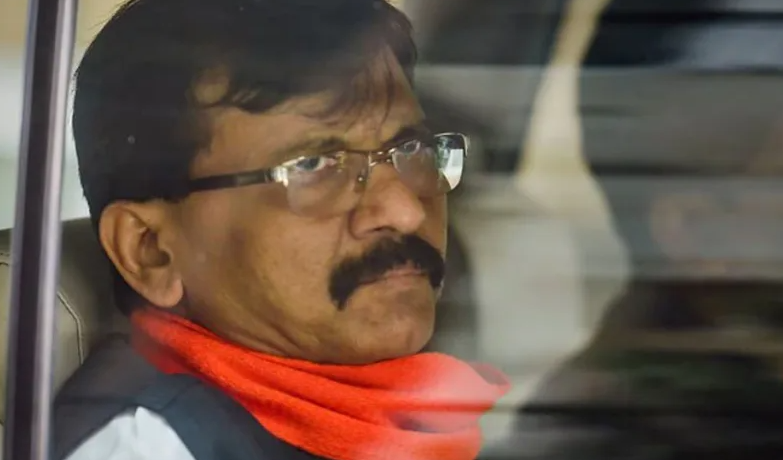
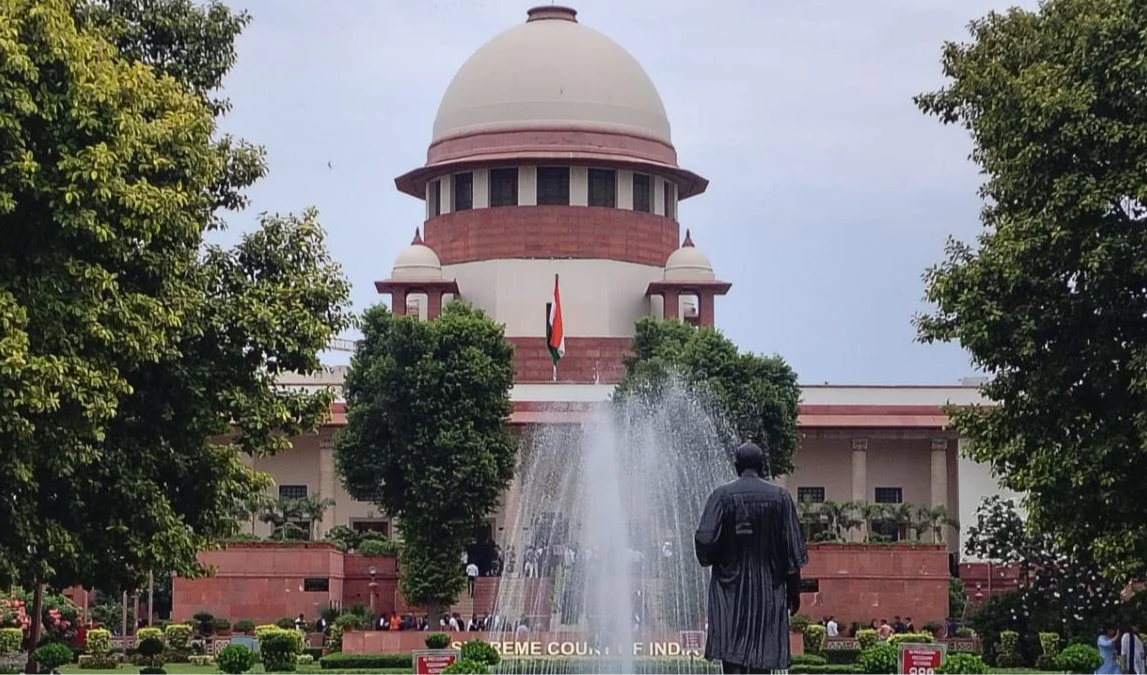
The Supreme Court of India has asked Shiv Sena (Uddhav Balasaheb Thackeray) leader and Rajya Sabha MP Sanjay Raut to explain his remarks concerning the Chief Justice of India (CJI) and other members of the judiciary while provisionally entertaining a joint petition filed by INDIA bloc leaders challenging actions taken by the Election Commission of India (ECI) in connection with the Special Intensive Revision (SIR) of electoral rolls.
The development came during a hearing on Thursday, October 15, 2026, before a bench comprising Chief Justice of India Surya Kant and Justice Joymalya Bagchi. The court indicated that Raut’s participation in the proceedings would remain provisional until he explained his conduct in connection with the statements attributed to him.
Raut is the sixth petitioner in the joint petition filed by opposition leaders challenging aspects of the Election Commission’s electoral roll revision exercise. The court’s order places his participation in the case in the context of a separate controversy over remarks he allegedly made about the Chief Justice and other judges.
The Supreme Court’s observation came amid growing legal scrutiny of Raut’s comments, following the Attorney General’s consent for the initiation of criminal contempt proceedings against him. The matter raises questions concerning judicial dignity, public criticism of the judiciary and the distinction between political expression and statements that may attract contempt of court proceedings.
Supreme Court Makes Raut’s Participation Provisional
During Thursday’s hearing, the Supreme Court made it clear that Raut would have to explain his conduct before his participation in the petition could be treated as unconditional.
The bench recorded its position in the order concerning Writ Petition (Civil) No. 1351 of 2026, which was filed by INDIA bloc leaders against the Election Commission of India.
The order stated: “In W.P. (C) No. 1351/2026 (Item 25), the petition on behalf of Petitioner No. 6 is entertained on a provisional basis, subject to his explaining his conduct.”
The observation specifically concerns Raut, who is listed as petitioner number six in the joint petition. It does not, by itself, determine the merits of the broader challenge brought by opposition leaders against the Election Commission.
The court’s position indicates that Raut will be required to address concerns arising from his public statements while the bench considers the petition concerning electoral roll revision.
During the proceedings, Chief Justice Surya Kant reportedly observed that one of the petitioners would have to explain his conduct. The Chief Justice also indicated that judges were aware of statements being made outside the courtroom and did not live in “ivory towers”.
The remarks underscored the court’s awareness of public commentary about the judiciary and the potential implications of statements made by political figures concerning sitting judges.
The provisional nature of the order is significant because it separates the court’s consideration of the election-related petition from the questions raised by Raut’s remarks. The wider petition concerns the functioning of the Election Commission and the conduct of the SIR exercise, while the concerns surrounding Raut relate to statements about the Chief Justice and other members of the judiciary.
The court’s order, as reported, requires Raut to explain his conduct. Any further determination concerning the consequences of his statements would depend on the proceedings and the court’s subsequent consideration of the matter.
Controversy Over Raut’s Remarks Against Chief Justice
The controversy stems from comments attributed to Raut concerning the Chief Justice of India’s decision not to meet Leader of the Opposition Rahul Gandhi.
Gandhi had reportedly sought a meeting with the Chief Justice to raise concerns about alleged electoral irregularities and the Special Intensive Revision of electoral rolls.
Raut criticised the decision not to hold the meeting and questioned the circumstances surrounding the interaction between political leaders and members of the judiciary.
In his remarks, Raut allegedly claimed that the Chief Justice and several other judges had played badminton in London with leaders of the Bharatiya Janata Party (BJP) and attended dinner parties with BJP ministers. He contrasted those alleged interactions with the Chief Justice’s reported refusal to meet Gandhi.
The claims became the focus of criticism because they suggested social interactions between judges and political figures that could raise questions about judicial impartiality.
However, the allegations concerning badminton games and dinner gatherings have been disputed. The Attorney General, R. Venkataramani, referred to a Delhi High Court order while granting consent for criminal contempt proceedings and stated that the claim concerning judges playing badminton with ministers was false.
The controversy has therefore moved beyond a political disagreement over whether the Chief Justice should have met the Leader of the Opposition. It now also involves the accuracy of statements made about judges and the legal consequences that may follow if such statements are found to meet the threshold for contempt of court.
Raut’s comments must be considered separately from the substantive issues raised in the INDIA bloc petition. The electoral roll revision challenge concerns the Election Commission’s actions, while the controversy over the remarks concerns the conduct of a petitioner and the standards applicable to public statements about the judiciary.
Attorney General Grants Consent for Criminal Contempt Proceedings
A further development occurred on October 14, when Attorney General R. Venkataramani granted consent to the Supreme Court Bar Association to initiate criminal contempt proceedings against Raut over his remarks concerning the judiciary and Chief Justice Surya Kant.
The consent was reportedly sought in connection with the statements attributed to Raut about judges playing badminton with BJP leaders and attending dinner parties with ministers.
In granting consent, the Attorney General stated that the allegation concerning judges playing badminton with ministers was false and referred to a Delhi High Court order that, according to him, established this position.
He also contended that Raut’s statements lowered the dignity of the judiciary and were scandalous in nature.
The Attorney General’s consent is a procedural step that permits the proposed contempt proceedings to be initiated through the route for which consent was sought. It is not itself a judicial finding that Raut is guilty of criminal contempt.
The question of whether the statements constitute criminal contempt, and whether any legal consequences should follow, remains distinct from the grant of consent. Those issues would have to be considered through the relevant legal process.
The development nevertheless adds a separate legal dimension to the controversy surrounding Raut’s comments. The Supreme Court’s direction requiring him to explain his conduct in connection with the election-related petition has come against the backdrop of the proposed contempt proceedings.
The two developments concern overlapping facts but involve different procedural questions. The Supreme Court’s order relates to the provisional entertainment of Raut’s petition, while the consent granted by the Attorney General concerns the initiation of criminal contempt proceedings over his statements.
INDIA Bloc Petition Challenges Election Commission’s SIR Exercise
The larger case before the Supreme Court concerns a joint petition filed by INDIA bloc leaders challenging actions of the Election Commission of India in connection with the Special Intensive Revision of electoral rolls.
The petition seeks greater disclosure of the records underlying disputed decisions taken during the revision exercise. It calls for the production of files, minutes, official notings and objections recorded by Election Commissioners in relation to the decisions being challenged.
The petitioners have also sought the establishment of an independent audit panel to examine alleged electoral irregularities and improve transparency in the revision process.
The opposition leaders have raised concerns about the functioning of the Election Commission and the manner in which the SIR exercise was conducted. They have asked the Supreme Court to scrutinise the poll body's decisions and examine whether the process has been carried out transparently.
The demand for disclosure of internal records is central to the challenge because the petitioners seek access to the material that informed disputed decisions. They argue that examining these records would help clarify the basis on which the Election Commission acted.
The proposed independent audit panel is another component of the relief sought by the petitioners. The request is intended to provide an examination of alleged irregularities and establish greater accountability in the revision process.
These are demands made by the petitioners, rather than findings already established by the Supreme Court. The filing of the petition does not, by itself, establish that the Election Commission committed irregularities or that its decisions were unlawful.
The court’s consideration of the petition will determine how the legal questions raised by the opposition leaders are addressed. The provisional order concerning Raut does not resolve the substantive issues relating to the SIR exercise.
Opposition Leaders Named in the Joint Petition
The petition was filed by Congress leader Rahul Gandhi and other opposition figures representing parties associated with the INDIA bloc.
The petitioners include Congress president Mallikarjun Kharge; Saugata Roy of the Trinamool Congress; Samajwadi Party leader Akhilesh Yadav; Rashtriya Janata Dal leader Tejashwi Prasad Yadav; Sanjay Raut of Shiv Sena (UBT); M. A. Baby of the Communist Party of India (Marxist); D. Raja of the Communist Party of India; Mahua Majhi of the Jharkhand Mukti Morcha; Supriya Sule of the Nationalist Congress Party faction led by Sharad Pawar; and E. T. Muhammed Basheer of the Indian Union Muslim League.
The petition was subsequently joined by two additional opposition leaders: Viduthalai Chiruthaigal Katchi president Thol. Thirumavalavan and National Conference MP Sajjad Ahmad Kichloo.
Their participation broadens the political representation in the challenge to the Election Commission’s actions. The petition brings together leaders from several opposition parties seeking judicial examination of the electoral roll revision process.
The involvement of multiple parties also reflects the INDIA bloc’s collective approach to raising concerns about the SIR exercise. However, the legal questions before the court will be determined on the basis of the pleadings, applicable law and material presented during the proceedings.
The case is being heard at a time when electoral roll revision has become a subject of political and legal debate. The petitioners are seeking disclosure and independent scrutiny, while the court will have to consider the legal basis for the relief requested.
Judicial Accountability and Freedom of Expression
The controversy surrounding Raut’s remarks has renewed attention to the relationship between freedom of political expression and the legal protections afforded to the judiciary.
Political leaders routinely criticise public institutions, question official decisions and raise concerns about accountability. Such criticism can form part of public debate, particularly when it relates to matters of electoral integrity and the functioning of constitutional bodies.
At the same time, statements about judges that allege specific conduct may raise questions about factual accuracy and the administration of justice. Criminal contempt proceedings provide a legal mechanism for examining certain forms of conduct that may interfere with or undermine the administration of justice, subject to the applicable legal standards.
The grant of consent to initiate proceedings does not eliminate the need to establish the relevant legal elements. Any allegation must be examined through due process, with the person concerned having an opportunity to respond.
In Raut’s case, the Attorney General has expressed the view that the remarks were false and scandalous, while the Supreme Court has asked him to explain his conduct in the context of the petition. These developments should not be treated as a final determination of guilt.
The case also illustrates why the accuracy of public statements about judges matters. Claims about meetings or social interactions involving judicial officers and political figures can carry implications for public confidence in judicial independence. Where such claims are disputed, the evidence and the context in which the statements were made become important.
The court will have to address the questions before it in accordance with the applicable legal framework, without conflating criticism of judicial decisions with allegations that may attract separate legal scrutiny.
What Happens Next?
The immediate issue for Raut is to explain his conduct in response to the Supreme Court’s provisional order. The court has made clear that his participation in the INDIA bloc petition is subject to that explanation.
Separately, the consent granted by the Attorney General allows the proposed criminal contempt proceedings to be initiated through the relevant procedure. The legal process will determine how those allegations are considered and whether any further action is justified.
The broader election-related petition remains focused on the Election Commission’s handling of the Special Intensive Revision of electoral rolls. The petitioners are seeking access to official records and an independent examination of alleged irregularities, with the aim of securing greater transparency.
The Supreme Court’s latest order therefore places two issues in focus: the opposition’s challenge to the electoral roll revision process and the requirement for Raut to address remarks attributed to him about the judiciary.
No final conclusion on the merits of the election-related allegations or the proposed contempt case follows solely from the developments reported on October 15 and 16. Both matters will depend on the relevant proceedings and the court’s consideration of the issues presented.
For now, the Supreme Court has required Raut to explain his conduct while provisionally entertaining his part of the INDIA bloc petition. The outcome of that process, along with any separate contempt proceedings, will determine the next legal steps in the controversy.