Yugcharan News / 13 May 2026
A major controversy surrounding the NEET UG 2026 examination has triggered a nationwide investigation after authorities reportedly uncovered an alleged question paper leak network that may have circulated exam material nearly two days before the medical entrance test was conducted.
The development has led to the cancellation of the examination by the National Testing Agency (NTA), impacting more than 22 lakh aspirants across the country. Investigative agencies, including central and state-level authorities, are currently probing the origins of the alleged leak and examining the involvement of multiple individuals across several states.
According to officials familiar with the matter, the alleged leak appears to have originated in Maharashtra before reportedly spreading through encrypted digital channels to candidates and intermediaries in Rajasthan, Haryana, Kerala, Bihar, Jammu and Kashmir, and other regions.
The incident has reignited concerns regarding the security and credibility of national-level competitive examinations in India, particularly after previous controversies involving recruitment and entrance tests.
Investigation Focuses on Maharashtra-Based Suspect
As part of the ongoing probe, a 30-year-old student from Nashik has reportedly been detained for questioning by central investigating authorities. Officials stated that the individual is suspected of having links to the circulation of confidential examination material ahead of the NEET UG examination.
Investigators allege that the accused may have acquired the examination content through contacts operating in Pune and later passed it on to buyers in northern states for financial gain. However, authorities have clarified that the investigation remains ongoing and that all allegations are yet to be legally established in court.
Sources claimed that digital evidence, communication records, and encrypted messaging applications are currently being examined to trace the wider network allegedly involved in distributing the material.
Officials also stated that technical surveillance methods and electronic tracking tools were used during the operation. Reports suggest the suspect allegedly attempted to avoid identification by altering his appearance before being taken into custody.
Family members of the accused, however, have denied the allegations and called for a fair and impartial investigation. The suspect’s relatives reportedly stated that he had no involvement in any illegal activity and expressed confidence that the truth would emerge through due process.
How the Alleged Leak Came to Light
The controversy reportedly surfaced after a student associated with a coaching network allegedly shared a PDF document described as a “guess paper” with family members before the examination.
According to preliminary reports, the document was later examined by subject experts following the completion of the exam. Several questions were allegedly found to closely resemble or match portions of the actual NEET UG 2026 question paper.
Sources involved in the inquiry claimed that the similarities raised immediate suspicion among teachers and coaching professionals, prompting attempts to alert local authorities and examination officials.
Investigators are currently examining whether the so-called “guess papers” were actually leaked versions of the original examination paper or materials reconstructed through other means.
Authorities have neither officially confirmed the authenticity of all circulating documents nor disclosed the exact number of matching questions identified during the probe.
Multiple States Under Scanner
The investigation has gradually expanded across several states as agencies attempt to identify the alleged chain of distribution.
Rajasthan has emerged as a key focus area due to reports suggesting that certain coaching-linked networks may have facilitated the movement of examination material among aspirants. Officials are also reportedly examining possible connections in Haryana, Maharashtra, and other regions where digital copies were allegedly circulated before the examination.
Sources claimed that encrypted communication platforms, temporary servers, and private messaging groups may have been used to distribute confidential content while avoiding detection.
Cyber experts associated with the investigation are believed to be analysing metadata, communication trails, device activity, and cloud storage systems to identify the original source of the leak.
Authorities have not ruled out the possibility of a larger organised network operating across states to exploit competitive examinations for monetary benefit.
Several Individuals Detained During Probe
State-level investigative teams have reportedly detained multiple individuals for questioning in connection with the case. In Rajasthan alone, several suspects have allegedly been taken into custody as investigators attempt to identify those responsible for coordinating communication and financial transactions.
Among those being questioned are individuals allegedly linked to educational consultancies, coaching-related activities, and informal student support networks.
Officials stated that evidence collection is still underway and cautioned against drawing conclusions until forensic and technical analysis is completed.
Legal experts noted that offences involving examination malpractice can attract charges related to criminal conspiracy, cheating, destruction of evidence, and cyber-related violations under Indian law if proven.
However, authorities have stressed that all accused individuals remain entitled to legal protections and fair judicial proceedings.
NTA Cancels Examination Amid Growing Pressure
The National Testing Agency’s decision to cancel the examination came after mounting criticism from students, parents, and medical organisations demanding transparency regarding the integrity of the test process.
The cancellation has created uncertainty for millions of students who had spent months preparing for one of India’s most competitive entrance examinations.
Education experts stated that conducting a nationwide exam for such a large number of candidates requires extensive logistical coordination and strict digital safeguards. The latest controversy has raised questions about examination security systems, paper transportation protocols, and cyber monitoring mechanisms.
Several student groups and medical associations have also demanded structural reforms within the examination system to prevent similar incidents in the future.
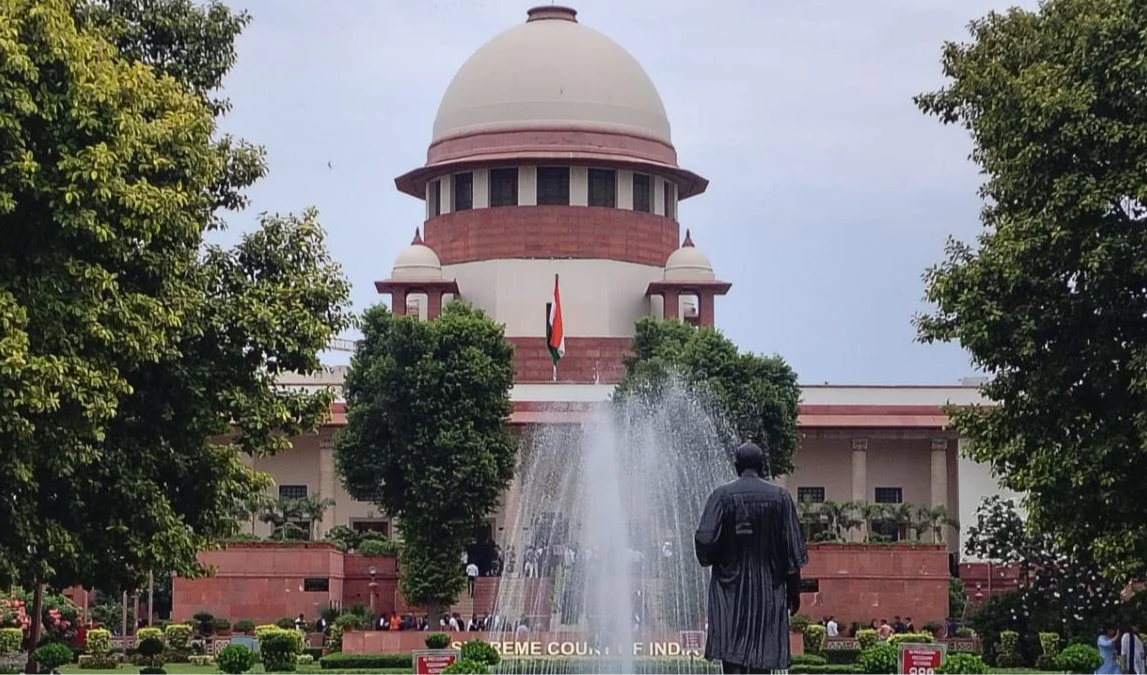
According to reports, some organisations have even approached judicial forums seeking independent oversight, enhanced transparency, and accountability in the conduct of national entrance tests.
Coaching Ecosystem Under Public Scrutiny
The alleged leak has once again placed India’s highly competitive coaching ecosystem under public scrutiny.
Cities known for large-scale coaching operations have frequently witnessed allegations involving unofficial paper circulation, prediction modules, and aggressive competitive practices. While many institutions operate legitimately, investigators are now examining whether certain individuals exploited aspirants’ anxiety and demand for success.
Experts pointed out that the enormous pressure surrounding medical entrance examinations creates opportunities for fraudulent networks promising “inside access” or “guaranteed questions.”
Education analysts believe stricter regulation of informal educational consultancy operations and digital coaching channels may become necessary following the controversy.
At the same time, several coaching operators have denied any involvement and urged authorities not to generalise or stigmatise the broader education sector based on isolated allegations.
Political and Public Reactions Intensify
The cancellation of NEET UG 2026 has also triggered political debate, particularly in states where opposition parties have long criticised the national medical entrance examination system.
Political leaders from various regions questioned how such a large-scale breach could allegedly occur despite repeated assurances regarding examination security. Some demanded parliamentary discussions and independent oversight into national testing agencies.
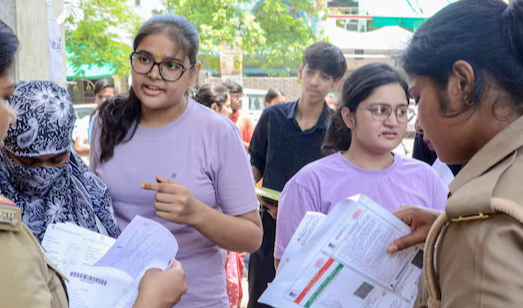
Parents and student groups staged demonstrations in certain cities, seeking clarity regarding the future schedule for re-examination and admission timelines.
Many students expressed frustration over the emotional and academic stress caused by repeated examination controversies in recent years.
Mental health professionals also highlighted the psychological pressure experienced by aspirants preparing for high-stakes competitive examinations and urged authorities to communicate transparently and responsibly with affected students.
Digital Security and Examination Integrity in Focus
Cybersecurity specialists involved in educational assessments stated that examination systems increasingly face threats from technologically advanced leak networks using encrypted communication, disposable servers, and digital anonymity tools.
Experts believe that future examination frameworks may require stronger encryption systems, stricter access control measures, AI-assisted monitoring, and enhanced coordination between testing agencies and cybercrime units.
Some specialists have recommended introducing decentralised question delivery systems and last-minute encryption protocols to minimise risks of paper compromise.
Meanwhile, authorities continue to investigate whether the alleged leak originated from insiders, digital breaches, or physical handling vulnerabilities during the examination process.
What Happens Next
The NTA is expected to announce further decisions regarding a possible re-examination after consultations with investigative agencies and relevant ministries.
Officials have indicated that preserving fairness for genuine students remains the priority while ensuring accountability for any wrongdoing uncovered during the investigation.
The case is likely to remain under intense national attention in the coming days as more details emerge from the ongoing inquiry.
For millions of medical aspirants and their families, the incident has become more than an examination controversy — it has evolved into a broader debate over trust, transparency, and the future credibility of India’s competitive examination system.