Yugcharan News / 16-10-2026
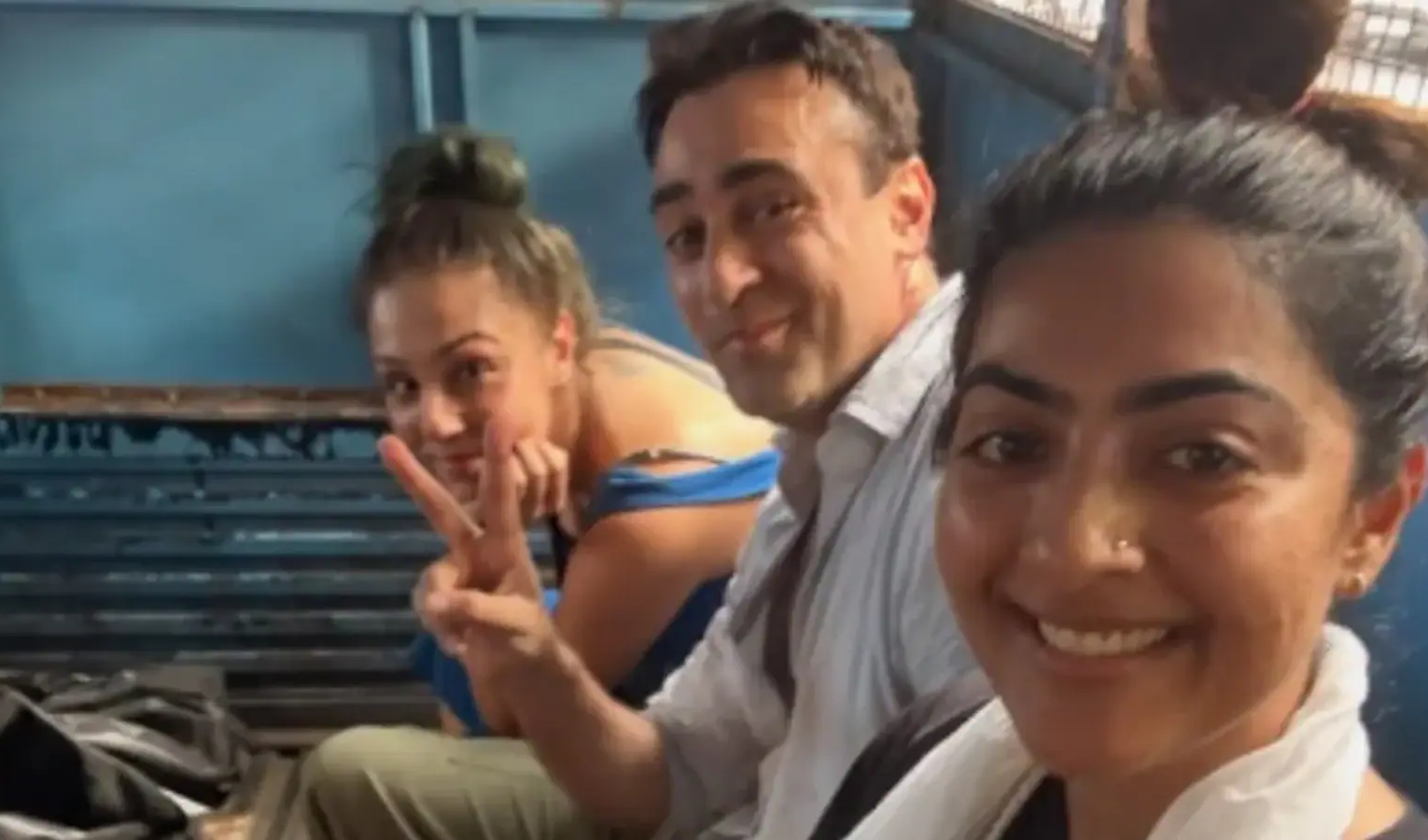
Actor Lekha Washington has publicly expressed support for her partner, actor Imran Khan, after the Foreigners Regional Registration Office (FRRO) directed him to leave India by October 28 following his participation in a protest organised by the Cockroach Janta Party (CJP) in Mumbai on October 10. Washington shared a photograph of the couple taken inside a police van after their detention, accompanying it with a brief caption expressing solidarity with Khan.
The order has triggered a wider discussion about the participation of Overseas Citizen of India (OCI) cardholders in political demonstrations, the restrictions applicable to foreign nationals in India, and the circumstances surrounding the detention of those who attended the protest. Khan, an American citizen who holds an OCI card, is preparing to challenge the order in the Bombay High Court, according to the report.
Washington and Khan’s cousin, Zayn Marie Khan, were also detained during the events surrounding the protest. Washington subsequently described the circumstances of their detention in a social media post, offering her account of what happened that evening and expressing concern about the treatment of people attending demonstrations.
Lekha Washington Shares First Reaction to the Order
Following the issuance of the order directing Khan to leave India, Washington shared a photograph of herself with the actor from inside a police van. The image was taken after they had been detained during the events surrounding the CJP protest.
Her caption read, “Just,” followed by a series of heart emojis.
Although brief, the post was interpreted as an expression of support for Khan amid the controversy surrounding the order. Washington did not provide a detailed legal response in that particular post, but her earlier statements on social media described the events leading to their detention and explained why she and others had gone to the area.
The incident has attracted attention because it involves an actor who holds an OCI card and has been directed to leave India after participating in a political demonstration. The matter also raises questions about the legal framework governing foreign nationals and OCI cardholders, as well as the circumstances in which authorities may restrict their activities.
Khan has indicated that he intends to contest the order through legal proceedings rather than accept the decision without challenge.
Washington Describes What Happened on October 10
In a separate social media post shared earlier, Washington provided a detailed account of the events surrounding the detention. According to her statement, she, Khan, Zayn Marie Khan, Imran’s mother Nuzhat and other individuals went towards August Kranti Maidan at around 5 p.m. on Saturday to enquire about friends who had reportedly been detained.
Washington said there was no gathering taking place at the time they arrived. She alleged that police barricades had been placed around the area and that a substantial media presence had gathered, with reporters surrounding Khan.
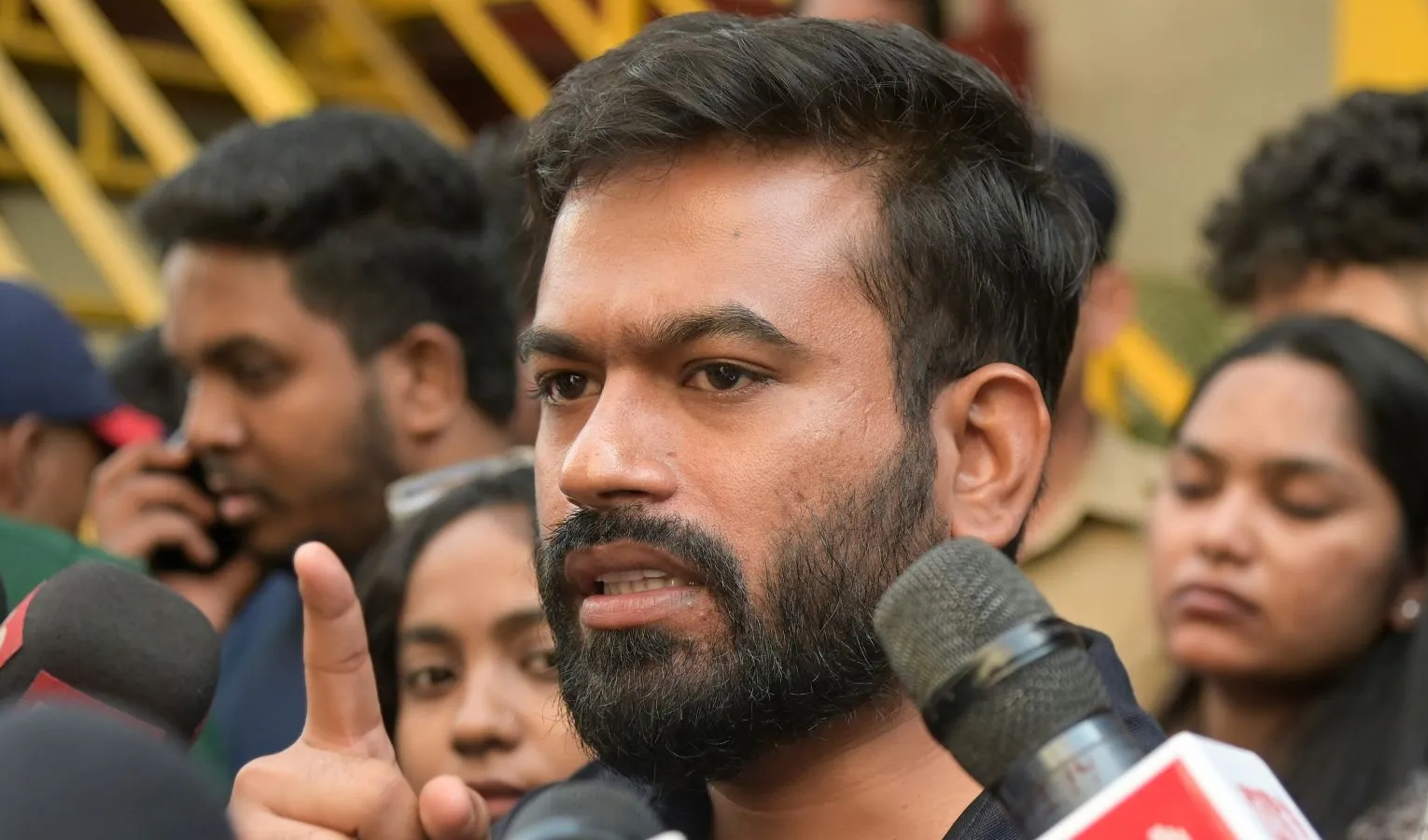
According to her account, Khan briefly responded to questions from journalists. She said he explained that they had no specific demands, were not representing an organisation and were present as individuals.
Washington alleged that the interaction was interrupted before Khan could finish speaking. She described loud and continuous whistle-blowing amid the media activity, saying the situation became chaotic.
She further claimed that uniformed personnel grabbed her and Zayn Marie Khan, causing bruising, before forcing the group into a vehicle.
According to Washington, those detained were driven around for approximately two hours. She also alleged that they were subsequently prevented from using public transport.
Washington added that traffic delays meant the group spent a considerable amount of time on the road. She said the events of the evening had been documented in detail.
These descriptions reflect Washington’s account of the incident. The available report does not independently establish every detail of her allegations or provide a separate, comprehensive account from the police regarding the circumstances of the detention.
Washington Acknowledges Her Privilege While Raising Concerns
Despite describing what she said happened during the detention, Washington also acknowledged the privileged position she and Khan occupy compared with many others who participate in protests.
She said that people in their position of privilege were not necessarily exposed to the same difficulties experienced by others. Her statement suggested that the treatment of demonstrators should be considered more broadly than the experiences of public figures.
Washington also expressed appreciation for the Mumbai Police, describing the force as a “beacon of balance” in her personal experience. She said she valued equality and respect for everyone and argued that people needed to find their collective voice to speak the truth.
Her comments combined criticism of the events surrounding the detention with an acknowledgment of her personal experience with the police. She did not portray her account as representing the experiences of every protester.
The statement also drew attention to the different circumstances faced by public figures and ordinary participants in political demonstrations. Washington’s recognition of privilege was an important part of her response, as she called for greater attention to equality and the treatment of people whose voices might otherwise receive less public attention.
Why Was Imran Khan Asked to Leave India?
According to the report, the police forwarded a complaint to the Foreigners Regional Registration Office, which subsequently issued the order directing Khan to leave India by October 28.
The reported basis for the action is Khan’s participation in the CJP protest, which sought the resignation of Chief Election Commissioner Gyanesh Kumar over alleged electoral irregularities.
Although Khan holds an OCI card, the FRRO’s position, as described in the report, is that the card does not permit him to participate in protests. The order has therefore brought attention to the distinction between OCI status and Indian citizenship.
OCI cardholders are not Indian citizens merely because they hold the card. Khan is identified in the report as an American citizen and an OCI cardholder, and the order concerns his continued stay in India.
The notice was reportedly issued under the Immigration and Foreigners Act, 2025. Section 7 of the Act empowers the Central Government to issue orders, directions or instructions regulating, restricting or prohibiting the entry, departure, presence or movement of foreigners in India.
The legal dispute will concern the order issued against Khan and the grounds on which it was made. The available report does not include the complete text of the FRRO order, so its full reasoning and any additional conditions cannot be independently assessed from the information provided.
Imran Khan to Challenge Order in Bombay High Court
Khan intends to contest the order through the Bombay High Court. According to the report, lawyer Zulfiqar Memon will file a petition challenging the direction that he leave India.
The planned legal challenge could bring the authorities’ reasoning and the applicable legal provisions before the court for examination. However, the report does not provide a filing date, details of the specific grounds to be raised in the petition or any judicial ruling on the matter.
Until the court considers the challenge, the reported position remains that the FRRO has issued an order directing Khan to leave India by October 28.
The case has attracted attention because it involves the relationship between immigration law, OCI status and participation in political demonstrations. Khan’s challenge is expected to focus on the legality of the order, although the precise arguments will depend on the petition filed before the court.
No final judicial determination on the dispute was included in the available report.
Khan Defends His Presence at the Protest
During his interaction with journalists at the protest site, Khan said he was present as an individual and did not have specific demands. He described himself as a person living in the city who wanted to understand why freedom of movement was being restricted and why people’s voices were being suppressed.
His comments were consistent with Washington’s account that Khan had told reporters they were not acting on behalf of an organisation.
After their release, Khan also shared a photograph taken inside the police van. He accompanied the image with the remark, “Apparently I'm going for a drive.”
The comment appeared to refer to the vehicle journey described by Washington, although the report does not provide additional details about the route taken or the precise circumstances of their release.
Khan’s statements placed the emphasis on individual participation and questions about restrictions on movement and expression. However, the FRRO’s subsequent action has shifted the matter from the immediate circumstances of the protest to a formal immigration-related dispute.
A Wider Debate Over Protests and OCI Status
The case has brought renewed attention to the rights and restrictions associated with OCI status, particularly when an individual participates in a politically sensitive public demonstration.
Khan’s American citizenship and OCI status are central to the reported action by the FRRO. The authorities’ position, as described in the report, is that OCI status does not permit participation in protests. Khan, meanwhile, is preparing to challenge the order through the Bombay High Court.
The dispute also comes amid broader political tensions surrounding demonstrations against alleged electoral irregularities. The CJP protest on October 10 sought the resignation of Chief Election Commissioner Gyanesh Kumar, making the incident part of a larger political controversy.
Washington’s account has added a personal dimension to the case by describing the experience of those who accompanied Khan and were also detained. Her comments have drawn attention to the treatment of demonstrators, the role of police during politically sensitive events and the importance of examining the experiences of people who may not have the same public visibility.
At the same time, the allegations made in her social media posts remain her account of the incident, and the available material does not include a comprehensive police response to each claim.
What Happens Next?
The immediate legal development will be Khan’s planned challenge to the FRRO order in the Bombay High Court. The report identifies October 28 as the deadline by which he has been directed to leave India, but it does not establish whether the court will hear the petition before that date or whether any interim relief will be sought or granted.
Washington’s public response indicates that she stands by Khan amid the controversy. Her detailed account of the October 10 events has also placed the circumstances of the detention in the public domain.
The case now involves several distinct questions: the circumstances surrounding the protest and detention, the legal basis of the FRRO order, the restrictions applicable to OCI cardholders, and the outcome of Khan’s proposed court challenge.
Until further legal developments emerge, the order remains contested by Khan, while Washington’s statements provide her perspective on the events that preceded it.