Search

    Language Settings
    Select Website Language

    GDPR Compliance

    We use cookies to ensure you get the best experience on our website. By continuing to use our site, you accept our use of cookies, Privacy Policy, and Terms of Service.

    Why Europe's 43°C Heatwave Feels Different from India's: The Science Behind Extreme Summer Temperatures

    13 hours ago

    Yugcharan News / 01 July 2026

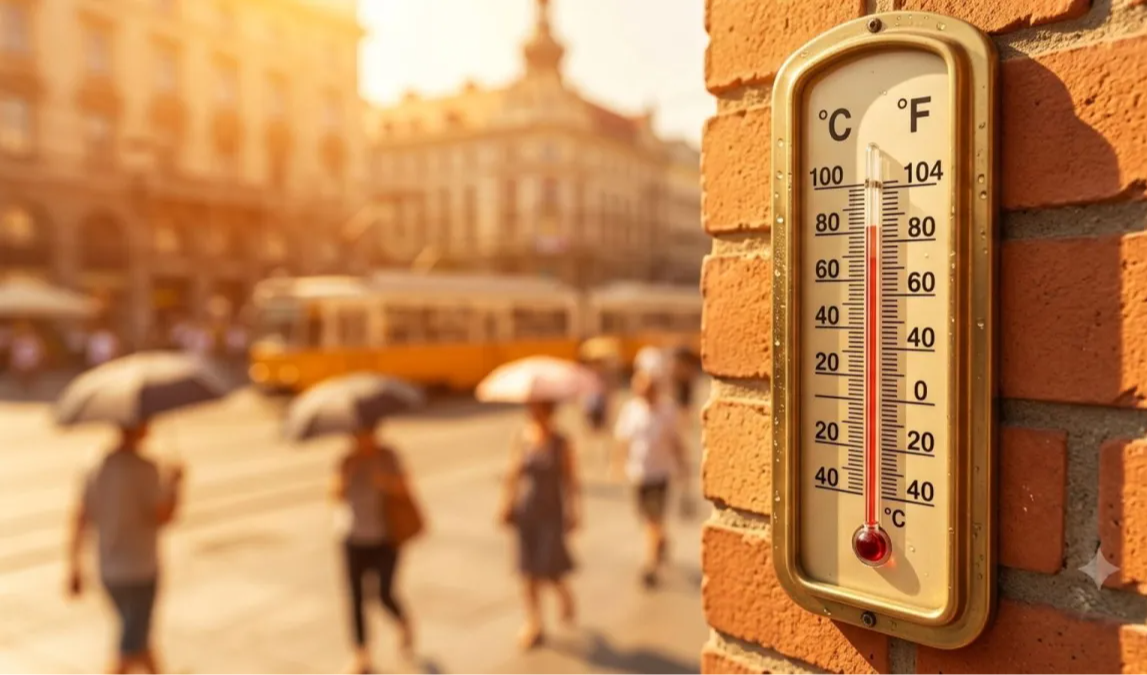
    Europe is experiencing one of its most intense summer heatwaves in recent years, with temperatures climbing above 40 degrees Celsius in several countries. As images of residents seeking relief from the scorching conditions spread across social media, a common question has emerged: if many parts of India regularly experience temperatures of 43°C or even higher, why is the same temperature creating such severe challenges in Europe?

    The debate gained momentum after a viral social media post compared European heat with India's extreme summers, prompting thousands of users to share their views. While some questioned the widespread concern over Europe's soaring temperatures, health experts and climate specialists explain that the number displayed on a thermometer tells only part of the story. Several environmental, infrastructural, and physiological factors determine how hot weather actually feels and how dangerous it becomes.

    Heat Is More Than Just Temperature

    Although 43°C is an extremely high temperature anywhere in the world, experts say the human body's experience of heat depends on much more than the air temperature alone. Humidity, wind speed, sunlight, urban infrastructure, nighttime cooling, and even the design of buildings significantly influence how the body reacts during a heatwave.

    Medical professionals explain that high temperatures place stress on the body's cooling mechanisms. When combined with conditions such as high humidity or poor ventilation, the body's ability to regulate its internal temperature becomes less effective, increasing the risk of dehydration, heat exhaustion, and heat-related illnesses.

    As climate change contributes to more frequent and intense heatwaves across the globe, understanding these factors has become increasingly important.

    Humidity Plays a Major Role

    One of the most significant reasons identical temperatures can feel different is humidity.

    The human body primarily cools itself by sweating. When sweat evaporates from the skin, it removes excess heat and helps regulate body temperature. However, in humid conditions, the air already contains a high amount of moisture, making evaporation much slower.

    As a result, sweat remains on the skin instead of evaporating efficiently, reducing the body's natural cooling process. This causes people to feel much hotter than the actual air temperature indicates.

    Health experts note that a temperature of 35°C combined with high humidity can sometimes place greater strain on the body than a much higher temperature in a dry climate. For this reason, meteorological agencies often publish a "feels like" temperature or heat index, which combines temperature with humidity to provide a more accurate measure of heat stress.

    Buildings Designed for Different Climates

    Another major factor lies in the way homes and cities have been built over decades.

    Many European countries historically experienced relatively mild summers and long, cold winters. As a result, residential buildings were designed to retain indoor warmth rather than release it. Thick insulation, smaller windows, limited natural ventilation, and tightly sealed construction help conserve heat during winter but can become problematic during prolonged summer heatwaves.

    In contrast, many regions of India have adapted to hot weather over generations. Traditional architecture often incorporates higher ceilings, cross ventilation, shaded courtyards, and other features intended to improve airflow and reduce indoor temperatures. Although modern urban housing varies widely, many Indian households are generally more accustomed to managing prolonged summer heat.

    Limited Air Conditioning in Europe

    Cooling infrastructure also contributes significantly to the difference.

    Air-conditioning systems remain less common in many European countries compared to regions that experience consistently hot climates. Because extreme heat historically occurred only occasionally, many homes, schools, offices, and public buildings were not equipped with permanent cooling systems.

    During prolonged heatwaves, indoor temperatures may remain high even after sunset, leaving residents with limited opportunities to cool down.

    In many parts of India, although air-conditioning is not universal, ceiling fans, evaporative coolers, and other cooling methods are commonly used during the summer months. People are also generally more familiar with adjusting their daily routines to avoid peak afternoon temperatures.

    Cities Can Trap Heat

    Urban design further affects how people experience extreme temperatures.

    Large cities often create what experts call the "urban heat island" effect. Concrete buildings, asphalt roads, and limited green spaces absorb heat throughout the day and slowly release it during the night. This reduces nighttime cooling and keeps temperatures elevated for longer periods.

    Poor air circulation between densely packed buildings can also increase heat exposure.

    Many European cities, with centuries-old layouts and compact construction, may retain heat differently than cities designed with wider roads, more open spaces, or greater natural ventilation.

    People Adapt to Local Climates

    Experts also point to acclimatization as an important factor.

    Human bodies gradually adapt to the climates in which they regularly live. Residents of regions that experience extremely hot summers each year often develop behavioural adaptations such as wearing lighter clothing, adjusting working hours, staying hydrated, and avoiding outdoor activity during the hottest parts of the day.

    European populations, where prolonged temperatures above 40°C were historically uncommon, may not be as physiologically or socially adapted to such conditions.

    Public infrastructure, healthcare planning, and emergency response systems are also still evolving to address increasingly frequent heatwaves across the continent.

    Health Risks During Extreme Heat

    Medical professionals warn that prolonged exposure to high temperatures can lead to serious health complications regardless of location.

    Heat exhaustion may develop when the body loses excessive fluids and salts through sweating, causing dizziness, fatigue, weakness, headaches, and nausea. If untreated, the condition can progress to heatstroke, a medical emergency in which the body's temperature regulation fails.

    Older adults, young children, pregnant women, outdoor workers, and individuals with heart, kidney, or respiratory conditions face a higher risk during extreme heat events.

    Health authorities recommend drinking sufficient water, limiting outdoor activity during peak heat hours, wearing light clothing, seeking shaded or air-conditioned spaces, and checking regularly on vulnerable family members and neighbours.

    Climate Change Is Increasing Heatwaves

    Scientists have repeatedly warned that global climate change is increasing both the frequency and intensity of extreme heat events worldwide.

    Countries across Europe, Asia, North America, and other regions have experienced record-breaking temperatures over recent years. Rising average global temperatures are contributing to longer-lasting heatwaves, placing additional pressure on healthcare systems, energy infrastructure, agriculture, and water resources.

    Governments are increasingly investing in early warning systems, urban greening projects, climate-resilient infrastructure, and public awareness campaigns to reduce the impact of future heatwaves.

    Why This Story Matters

    The ongoing discussion highlights that air temperature alone does not fully represent the risks associated with extreme weather. Humidity, housing design, cooling infrastructure, urban planning, and climate adaptation all play significant roles in determining how dangerous a heatwave becomes.

    As climate change continues to reshape weather patterns across the globe, understanding these factors can help individuals, communities, and governments prepare more effectively for increasingly frequent periods of extreme heat.

    Conclusion

    Whether in India, Europe, or elsewhere, temperatures above 40°C pose serious health risks and require appropriate precautions. While people in different regions may experience the same temperature differently due to environmental and infrastructural conditions, experts emphasize that no community is immune to the dangers of prolonged heat exposure.


    The current European heatwave serves as a reminder that climate resilience, public awareness, and preparedness are becoming increasingly important worldwide as extreme weather events become more common.

    Click here to Read More
    Previous Article
    US-Iran Talks Continue in Doha as Regional Tensions Persist Despite Fragile Ceasefire
    Next Article
    Delhi High Court Declines Interim Relief to BJP MP Raghav Chadha in Deepfake and Defamation Case, Orders Removal of Select Social Media Posts

    Related International Updates:

    Are you sure? You want to delete this comment..! Remove Cancel

    Comments (0)

      Leave a comment