Search

    Language Settings
    Select Website Language

    GDPR Compliance

    We use cookies to ensure you get the best experience on our website. By continuing to use our site, you accept our use of cookies, Privacy Policy, and Terms of Service.

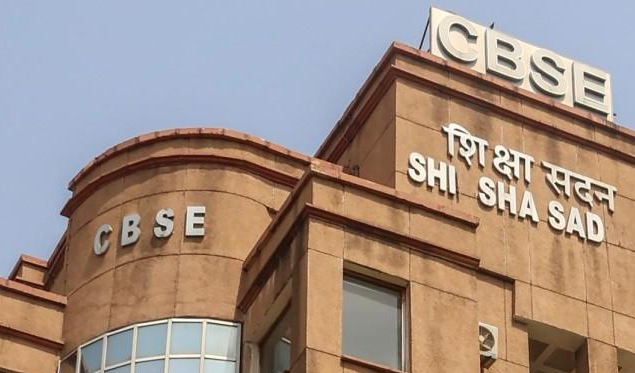
    CBSE Reviews Digital Security Measures After Reported Concerns Over Examination Portal

    16 hours ago

    Yugcharan News / 01 June 2026

    The Central Board of Secondary Education (CBSE) has acknowledged and addressed reported security concerns linked to a digital examination management portal after claims surfaced online suggesting that certain examination-related documents may have been accessible without adequate protection.

    The issue gained national attention after a young cybersecurity researcher shared details on social media alleging vulnerabilities in a cloud-based storage system associated with examination records. The claims sparked widespread discussions among students, parents, educators, and cybersecurity experts regarding the protection of academic data and the security standards of digital education infrastructure.

    While CBSE has stated that the identified vulnerabilities have been contained, the incident has reignited conversations about cybersecurity preparedness within large-scale educational systems that handle sensitive student information.

    Allegations Surface on Social Media

    The controversy began when cybersecurity researcher Nisarga Adhikary posted technical observations online, claiming that certain digital resources linked to examination records were accessible through a cloud storage configuration that lacked adequate authentication measures.

    According to the claims, scanned Class 12 answer sheets and examination-related documents could allegedly be viewed or downloaded through publicly accessible links. The researcher also suggested that multiple institutions may have been utilizing the same storage infrastructure, raising concerns about broader security implications.

    Screenshots and technical details shared online quickly gained traction across social media platforms, prompting questions about whether confidential student records could have been exposed.

    The allegations drew significant public attention, particularly because CBSE conducts examinations for millions of students across India every year. Any potential security issue involving examination records is therefore viewed as a matter of serious concern by students and parents alike.

    Concerns Over Student Data Privacy

    The reported incident has highlighted growing concerns regarding data privacy and cybersecurity in India's education sector.

    In recent years, educational institutions have increasingly adopted digital platforms for examination management, result processing, document verification, and record storage. While these technologies have improved efficiency and accessibility, they have also introduced new cybersecurity challenges.

    Experts note that academic records often contain sensitive personal information, including student details, examination performance, evaluation remarks, and institutional data. As a result, securing such information has become a critical responsibility for educational authorities and technology providers.

    The allegations surrounding the portal raised concerns about whether adequate safeguards were in place to prevent unauthorized access to confidential records.

    Although there has been no official confirmation that any student data was misused, the claims prompted calls for a thorough review of digital security practices within examination-related systems.

    CBSE Responds to Allegations

    Following the circulation of the claims, CBSE issued a statement acknowledging that concerns had been raised regarding vulnerabilities in the OnMark portal operated by a service provider associated with examination processes.

    The board stated that it had been actively monitoring the situation and had initiated a detailed review of the reported vulnerabilities. According to CBSE, cybersecurity experts from multiple government agencies and academic institutions were engaged to assess the issue and strengthen system protections.

    Officials emphasized that identified vulnerabilities had been addressed and contained. The board also indicated that additional reviews were being conducted to identify and eliminate any remaining weaknesses within the system.

    CBSE's response sought to reassure students and stakeholders that corrective measures were being implemented to strengthen digital security and protect examination-related information.

    The board further expressed appreciation for individuals who responsibly report potential security concerns and encouraged ethical disclosure of cybersecurity vulnerabilities through official channels.

    Role of Ethical Hackers in Cybersecurity

    The incident has also highlighted the increasingly important role played by ethical hackers and cybersecurity researchers in identifying potential vulnerabilities before they can be exploited.

    Ethical hackers often examine digital systems to detect weaknesses and notify organizations so corrective measures can be implemented. Their work is widely recognized as an important component of modern cybersecurity frameworks.

    According to reports, the researcher involved in the CBSE case had communicated details of the alleged vulnerability to relevant authorities before the issue gained widespread public attention.

    Cybersecurity professionals say responsible disclosure helps organizations address security concerns while minimizing risks to users and sensitive information.

    The episode has renewed discussions about the need for stronger collaboration between public institutions and cybersecurity researchers to improve digital resilience.

    Political Reactions and Public Debate

    The reported exposure also generated reactions from political leaders and public figures, some of whom raised concerns regarding the protection of student information.

    Several commentators called for greater transparency regarding the scope of the issue and the measures being taken to prevent similar incidents in the future. Others emphasized the need for regular cybersecurity audits of digital infrastructure used by educational institutions.

    The discussion quickly expanded beyond the immediate allegations to broader questions about data governance, digital security standards, and accountability in large-scale public systems.

    Experts note that such debates are becoming increasingly common as more educational services move online and greater volumes of sensitive information are stored digitally.

    Growing Dependence on Digital Examination Systems

    The controversy comes at a time when educational institutions across India are relying more heavily on technology-driven systems for examination administration.

    Digital platforms now play a significant role in answer-sheet scanning, evaluation management, result publication, document verification, and academic record storage. These systems help streamline processes that involve millions of students each year.

    However, cybersecurity specialists warn that expanding digital infrastructure must be accompanied by equally robust security mechanisms.

    They argue that institutions handling large amounts of personal data should conduct frequent security assessments, implement strict access controls, and continuously monitor systems for potential vulnerabilities.

    Regular testing and independent audits are increasingly viewed as essential components of maintaining trust in digital education services.

    Experts Call for Stronger Cybersecurity Frameworks

    Cybersecurity experts have pointed out that cloud-based systems require careful configuration and continuous monitoring to prevent accidental exposure of sensitive information.

    Even minor technical oversights can create opportunities for unauthorized access if proper safeguards are not implemented. As a result, organizations managing critical databases are encouraged to adopt industry-standard security protocols and regularly update their systems.

    Specialists also stress the importance of employee training, incident response planning, and vulnerability reporting mechanisms.

    The CBSE incident serves as a reminder that cybersecurity is not solely a technical issue but also an organizational responsibility involving policy, governance, and ongoing risk management.

    Student Trust and Institutional Responsibility

    For students and parents, confidence in examination systems remains a top priority.

    Examination records represent years of academic effort and often play a crucial role in higher education admissions and career opportunities. Any concerns regarding the security of such records naturally attract significant public attention.

    Educational authorities therefore face the challenge of not only protecting data but also maintaining trust through transparency and timely communication.

    Observers note that swift acknowledgment of vulnerabilities, prompt corrective action, and clear public communication can help institutions effectively manage cybersecurity incidents when they arise.

    Looking Ahead

    While CBSE has stated that the identified vulnerabilities have been contained, discussions surrounding digital security in education are likely to continue.

    The incident underscores the growing importance of cybersecurity as educational systems become increasingly digitized. It also highlights the need for continuous monitoring, regular security assessments, and collaboration between institutions and cybersecurity experts.

    As investigations and technical reviews continue, stakeholders across the education sector will be watching closely for further updates and recommendations aimed at strengthening the security of academic records and digital examination infrastructure.

    The episode serves as an important reminder that protecting student data remains a critical responsibility in an era where education and technology are becoming more closely connected than ever before.


    Click here to Read More
    Previous Article
    Reports Claim Iranian President Offered Resignation Amid Ongoing Political Uncertainty
    Next Article
    West Bengal Government Announces Major Cabinet Expansion, 35 Ministers to Take Oath

    Related Education Updates:

    Are you sure? You want to delete this comment..! Remove Cancel

    Comments (0)

      Leave a comment