Search

    Language Settings
    Select Website Language

    GDPR Compliance

    We use cookies to ensure you get the best experience on our website. By continuing to use our site, you accept our use of cookies, Privacy Policy, and Terms of Service.

    High-Stakes US–Iran Talks Set in Islamabad Amid Ceasefire Strains and Regional Tensions

    1 week ago

    Yugcharan News / 10 April 2026

    Islamabad is set to become the focal point of global diplomacy as senior officials from the United States and Iran prepare to engage in high-level talks aimed at de-escalating a rapidly evolving conflict in West Asia. The negotiations, facilitated by Pakistan, come at a critical juncture when a recently announced ceasefire remains fragile and multiple unresolved issues continue to threaten stability across the region.

    The discussions are expected to begin this weekend, with both sides approaching the dialogue cautiously amid deep-rooted mistrust, competing strategic interests, and ongoing military developments.

    Pakistan Emerges as Key Mediator

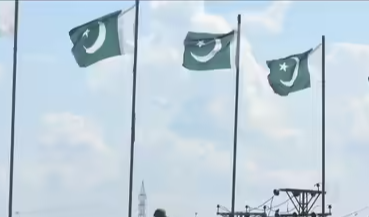
    Pakistan’s role as a diplomatic intermediary has gained prominence in recent weeks, with leadership under Prime Minister Shehbaz Sharif actively facilitating communication between Washington and Tehran. Officials in Islamabad have positioned the country as a neutral venue capable of hosting sensitive negotiations between the two long-standing adversaries.

    The talks are expected to take place in Islamabad’s high-security diplomatic zone, where extensive preparations have been underway. Authorities have heightened security across key areas, restricted access to sensitive zones, and implemented administrative measures to ensure smooth conduct of the meetings.

    Analysts note that Pakistan’s unique geopolitical positioning—maintaining working relationships with both the United States and Iran—has enabled it to play a constructive role in bringing the parties to the table.

    Delegations and Representation

    The United States delegation is expected to be led by Vice President JD Vance, accompanied by senior diplomatic figures and advisors. The inclusion of Vance is being viewed as significant, with some observers suggesting that his presence may signal a renewed push toward diplomatic resolution.

    On the Iranian side, senior leadership figures, including parliamentary and foreign policy representatives, are anticipated to participate. However, there remains uncertainty regarding the full composition of the delegation, particularly whether military-linked representatives will be involved.

    Diplomatic sources indicate that both sides are approaching the talks with caution, and final participation details may remain fluid until the delegations formally arrive.

    Structure of the Negotiations

    According to preliminary information, the negotiations are expected to follow a structured yet indirect format. Representatives from the United States and Iran may be seated separately, with Pakistani officials acting as intermediaries to facilitate communication between the two sides.

    This approach reflects the ongoing lack of direct engagement between Washington and Tehran, as well as the sensitivity surrounding the discussions. Pakistani officials, including senior diplomatic figures, are likely to play a central role in coordinating the dialogue and ensuring that discussions remain focused and constructive.

    Initial meetings are expected to involve separate consultations with Pakistani leadership, followed by formal sessions aimed at addressing key issues.

    Ceasefire Under Pressure

    The Islamabad talks come shortly after a temporary ceasefire was reportedly established following mediation efforts. However, the agreement has faced significant challenges, with differing interpretations of its scope and implementation.

    One of the primary points of contention relates to whether the ceasefire extends to Lebanon. Iranian officials have consistently maintained that any cessation of hostilities must include developments in Lebanon, while the United States and its allies have indicated that the original framework did not explicitly cover that front.

    This divergence has contributed to ongoing tensions, with continued military activity raising questions about the effectiveness and sustainability of the ceasefire.

    Lebanon as a Key Flashpoint

    Lebanon has emerged as a central issue in the broader conflict, with recent military operations intensifying concerns about regional escalation. Reports of strikes and counter-actions have heightened the urgency of diplomatic intervention.

    Iran has reportedly warned that continued military activity in Lebanon could undermine the ceasefire and potentially trigger further escalation. On the other hand, officials aligned with the United States have suggested that developments in Lebanon should be addressed separately from the primary negotiations.

    Experts believe that the differing positions on Lebanon could become a critical obstacle during the Islamabad talks, potentially influencing the overall trajectory of the negotiations.

    Core Issues on the Agenda

    The upcoming discussions are expected to focus on several key areas, each of which carries significant implications for regional and global stability.

    One major issue is Iran’s proposed multi-point peace framework, which reportedly includes demands related to regional security arrangements, military presence, and strategic waterways. Among these is the question of oversight in the Strait of Hormuz, a vital route for global energy supplies.

    The United States, while acknowledging certain aspects of the proposal as a basis for discussion, has not formally endorsed the framework in its entirety. Differences also persist regarding nuclear-related matters, particularly the future of uranium enrichment.

    American officials have reportedly emphasized strict conditions related to nuclear capabilities, while Iranian authorities continue to assert their rights under international agreements. This issue remains one of the most complex and sensitive components of the negotiations.

    Global Economic Implications

    The outcome of the talks is likely to have far-reaching economic consequences, particularly for global energy markets. The Strait of Hormuz, through which a significant portion of the world’s oil and gas supplies pass, has already been affected by the ongoing conflict.

    Disruptions in this corridor have led to volatility in energy prices, raising concerns among major economies. Analysts warn that prolonged instability could exacerbate inflationary pressures and disrupt global supply chains.

    The Islamabad talks are therefore being closely monitored not only by political stakeholders but also by economic institutions and market participants worldwide.

    Trust Deficit Remains Major Challenge

    One of the most significant hurdles facing the negotiations is the deep-seated mistrust between the United States and Iran. Past experiences, including previous negotiations that did not yield lasting agreements, continue to shape the perspectives of both sides.

    Experts suggest that both parties are entering the talks with cautious optimism but remain wary of potential setbacks. Confidence-building measures, such as adherence to ceasefire terms and transparency in actions, are likely to play a crucial role in determining the success of the discussions.

    Without a foundation of trust, even well-structured negotiations may struggle to produce meaningful outcomes.

    Role of Regional and Global Actors

    While the primary focus remains on the United States and Iran, other regional and international actors are also influencing the situation. Countries in the Middle East, along with global powers, have expressed interest in ensuring stability and preventing further escalation.

    However, the absence of certain key stakeholders from the talks could present challenges. Some analysts argue that a comprehensive resolution may require broader participation, particularly from parties directly involved in the conflict.

    At the same time, there is recognition that initial progress may need to be achieved through limited engagement before expanding the scope of negotiations.

    Possible Outcomes and Future Prospects

    Given the complexity of the issues involved, a comprehensive agreement is considered unlikely in the immediate term. Instead, the talks may focus on incremental progress, such as extending the ceasefire, establishing communication channels, and identifying areas of mutual interest.

    Diplomatic observers suggest that even a limited breakthrough—such as agreement on specific confidence-building measures—could be viewed as a positive step forward.

    At the same time, the risk of breakdown remains, particularly if disagreements over key issues such as Lebanon or nuclear policy intensify.

    Conclusion

    The upcoming US–Iran talks in Islamabad represent a critical moment in ongoing efforts to stabilize a volatile region. With multiple challenges on the table, including ceasefire disputes, strategic disagreements, and a significant trust deficit, the path to resolution remains uncertain.

    However, the willingness of both sides to engage, coupled with Pakistan’s role as a mediator, offers a potential opportunity for progress. As the world watches closely, the outcomes of these discussions could shape the future trajectory of regional security and international diplomacy in the weeks and months ahead.


    Click here to Read More
    Previous Article
    Israel Signals Willingness for Talks With Lebanon Amid Fragile Regional Ceasefire
    Next Article
    Alleged Conspiracy Behind Trader’s Death Uncovered in Madhya Pradesh

    Related International Updates:

    Are you sure? You want to delete this comment..! Remove Cancel

    Comments (0)

      Leave a comment