Yugcharan News / 24-11-2026
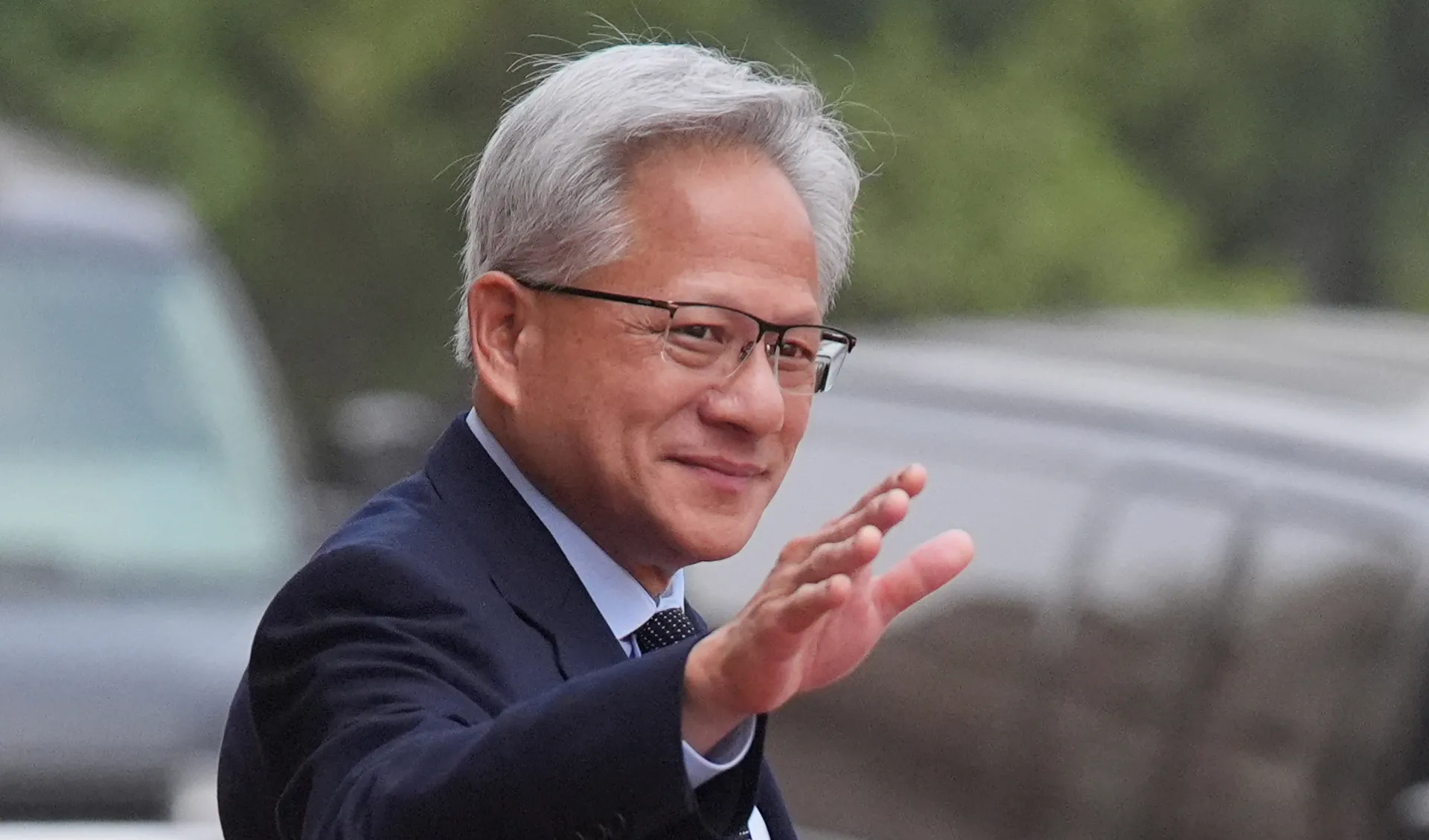
Nvidia has reinstated co-founder Jensen Huang as its chief executive officer, reversing its earlier decision to accept his resignation following an alleged espionage controversy involving a former executive linked to a major buyer of the company's artificial intelligence chips. The decision, announced on Monday, November 23, 2026, came after the company's board consulted senior United States government officials and concluded that Huang did not pose a national security risk.
The development marks a significant turnaround for the technology company's leadership within less than two weeks of Huang stepping down. The board of directors voted unanimously to restore him as Nvidia's president, CEO and board member, with immediate effect. The company said discussions with government representatives had given directors greater confidence in his leadership, judgement and ability to guide the business.
US President Donald Trump welcomed the decision, describing it as a "correct and proper decision". Trump had publicly supported Huang's return several days earlier, urging Nvidia to give its co-founder another opportunity to lead the company.
The reinstatement also comes at a time when Nvidia remains at the centre of the global artificial intelligence industry, with its advanced semiconductor technology playing a major role in the development of AI infrastructure worldwide.
Nvidia Board Reverses Earlier Decision
Nvidia's board initially accepted Huang's resignation after the controversy emerged, with directors indicating that they did not intend to reinstate him.
However, following further discussions and consultations with senior US government officials, the board reconsidered its position.
In its statement announcing the decision, Nvidia confirmed that directors had unanimously approved Huang's return as president, chief executive and board member, effective immediately.
Board chair Harvey Jones said directors now believed Huang was the right person to lead the company. He added that his return was in the interests of shareholders, employees, business partners and customers.
The board's decision represents a reversal of its earlier position, which had been communicated through Jones during an earnings call the previous week.
At that time, Jones had said directors had unanimously accepted Huang's resignation and did not intend to bring him back as CEO.
The company has not disclosed the identities of the government officials consulted during the latest review. It has also not provided details of the information shared by those officials or the precise nature of their assessment.
Nevertheless, the board's announcement indicates that national security concerns surrounding Huang's leadership were an important consideration in the decision-making process.
Donald Trump Welcomes Jensen Huang's Return
US President Donald Trump publicly welcomed Nvidia's decision, having previously expressed his support for Huang's reinstatement.
Three days before the announcement, Trump had urged the company to reconsider its position, describing Huang as one of the most brilliant minds in the world.
He also said that he would like to see the Nvidia co-founder receive a second chance.
Trump had characterised Huang as a good man who had made some bad decisions and suggested that Nvidia should bring him back if the company wanted to make the right choice.
His remarks attracted attention because the leadership dispute involved a major American technology company operating in a strategically important sector.
Semiconductors and artificial intelligence chips have become central to US economic and national security priorities, particularly amid growing technological competition with China.
Trump's support for Huang's return was followed by the board's renewed consultations and its eventual decision to reinstate him.
The President subsequently described the move as a "correct and proper decision", signalling his approval of the company's revised leadership arrangement.
Alleged Espionage Controversy Behind Huang's Resignation
Huang, 63, stepped down from his leadership position on November 12, 2026, following reports concerning his relationship with Alice Huang, a former executive at Singapore-based Megaspeed.
The company, which is not related to Jensen Huang despite sharing the same surname, reportedly purchased billions of dollars' worth of Nvidia chips.
According to reports cited in the controversy, Alice Huang was allegedly suspected of passing information to Beijing. US intelligence services reportedly concluded that she had transferred information to China, although the allegations have not been independently established in the supplied reporting.
China has denied the allegations.
The controversy raised concerns about possible foreign intelligence involvement and the security of information associated with Nvidia and its business relationships.
It also created questions about Huang's position at the company and whether the circumstances surrounding his association with the former Megaspeed executive could affect Nvidia's relationship with US authorities.
Huang subsequently resigned, prompting the board to initiate an internal examination of the circumstances surrounding the controversy.
The company has not announced that Huang was responsible for espionage or that the allegations against Alice Huang have been conclusively established.
The distinction remains important because the investigation into the matter is continuing.
Independent Board Committee to Continue Investigation
Despite reinstating Huang, Nvidia has confirmed that its internal investigation will continue.
The company established a committee of independent directors earlier in November to investigate whether Huang had been targeted by a foreign intelligence operation.
According to Nvidia, the committee will complete its examination rather than discontinue the inquiry following the CEO's return.
Huang has expressed support for the investigation and committed to cooperating with the independent directors.
The decision to continue the probe indicates that the company intends to examine the allegations separately from the question of its executive leadership.
This approach also leaves several issues unresolved, including the circumstances surrounding the alleged transfer of information, the possible involvement of foreign intelligence interests and whether any security vulnerabilities affected the company's operations or business relationships.
The outcome of the investigation could have implications for Nvidia's internal governance and its approach to protecting commercially sensitive information.
Harvey Jones to Continue as Board Chair
Following Huang's reinstatement, Harvey Jones will continue serving as Nvidia's board chair.
Jones, a former chief executive of semiconductor design software company Synopsys, was appointed Nvidia's first-ever board chair during the leadership crisis.
He played a central role in communicating the board's earlier acceptance of Huang's resignation and subsequently announced the decision to restore him to the company's leadership.
Meanwhile, Colette Kress, who had taken over as interim CEO following Huang's departure, will return to her previous responsibilities as chief financial officer.
The company has therefore restored its original leadership arrangement, with Huang returning as CEO and Kress continuing as CFO.
The board has not indicated any further immediate changes to its senior management structure.
Jensen Huang Expresses Gratitude After Reinstatement
Following the announcement, Huang expressed gratitude to Nvidia's board, employees, shareholders and his family.
He said he was accepting the responsibility with humility and a renewed commitment to the company.
"I take this responsibility with the greatest humility and renewed commitment," Huang said.
He also expressed enthusiasm about returning to his responsibilities, adding that he could not wait to get back to work.
His statement followed a period of uncertainty over his future at the company, during which Nvidia's board had initially indicated that his resignation would remain final.
The reinstatement allows Huang to resume leadership of the company he co-founded and has helped build into one of the most influential businesses in the global semiconductor industry.
Nvidia's Leadership Has Wider Significance for the AI Industry
Huang's return is significant beyond the company's internal management structure because Nvidia occupies a central position in the global artificial intelligence ecosystem.
Its graphics processing units and other semiconductor technologies are widely used in AI development, data centres and high-performance computing infrastructure.
Demand for advanced chips has increased as technology companies, cloud service providers and research institutions expand their investments in artificial intelligence.
Nvidia's leadership decisions therefore attract attention from investors, business partners, technology companies and governments.
The controversy surrounding Huang also highlights the increasing connection between corporate governance, international intelligence concerns and national security policies in the semiconductor industry.
The United States has placed considerable importance on maintaining technological advantages in advanced computing and AI-related hardware. As a result, companies operating in this sector face scrutiny not only over their commercial performance but also over their relationships, information security and exposure to foreign influence.
Huang's reinstatement following consultations with US government officials demonstrates how national security considerations can influence decisions involving major technology companies.
Legal and Corporate Questions Remain
Although Nvidia's board has restored Huang to his position, the decision does not necessarily bring the controversy to an end.
The independent investigation is still underway, and the company has not released its final findings regarding the alleged foreign intelligence operation.
The circumstances involving Alice Huang, Megaspeed and the reported transfer of information to Beijing remain important elements of the ongoing inquiry.
Nvidia and its board also continue to face potential legal risks connected with the controversy and the decisions taken during the leadership crisis.
The board's latest announcement establishes Huang's immediate return but does not resolve every question surrounding the allegations.
For now, Nvidia has restored its co-founder to the top leadership position after concluding, following government consultations, that he remains the appropriate person to lead the company.
The coming weeks are likely to remain important as the independent committee continues its investigation and the company works to address concerns among shareholders, employees, customers and government stakeholders.